
Table of Contents
- Why Sustainable Fashion Choices Matter for Durability
- How to Identify High-Quality Sustainable Fabrics
- Benefits of Organic Cotton Clothing for Long-Lasting Wear
- Sustainable Fashion Care Tips to Extend Garment Life
- Certifications and Verifications That Prove Genuine Sustainability
- Sustainable Fashion Choices: Made-to-Order vs Fast Fashion
- Building a Durable Sustainable Wardrobe: Staples Worth Investing In
- Frequently Asked Questions
Last Updated: September 21, 2026
Why Sustainable Fashion Choices Matter for Durability
Sustainable fashion choices directly affect garment longevity. Investing in organic cotton, natural dyes, and thoughtful construction means selecting pieces built to withstand years of wear rather than months.
Sustainable brands invest in better materials and manufacturing because durability aligns with their values. Fast fashion thrives on planned obsolescence; sustainable brands thrive on longevity.
At Plym Club Clothing, our heavier-knit organic cotton garments, crafted with water-based inks and made-to-order to eliminate waste, embody this philosophy. Our heavier-knit organic cotton garments, crafted with water-based inks and made-to-order to eliminate waste, embody this philosophy. The durability isn't incidental, it's built into every decision, from fabric weight to production method.

How to Identify High-Quality Sustainable Fabrics
Identifying genuine sustainable fabrics requires understanding fabric construction, weight, and fibre content.
Quality organic cotton uses heavier-knit construction, which resists pilling, stretching, and wear. A premium t-shirt should feel substantial in your hands.
Look for 100% organic cotton rather than blends, which compromise longevity. Organic certification indicates cotton was grown without synthetic pesticides and processed responsibly.
Ring-spun cotton creates stronger fibres than open-end spinning and is a legitimate marker of quality in product descriptions.
Water-based inks bond differently to fabric, affecting colour longevity and feel.
| Fabric Quality Indicator | What It Means | Durability Impact |
|---|---|---|
| Heavier knit (200+ gsm) | Denser fabric construction | Resists pilling and stretching |
| Ring-spun cotton | Traditional spinning technique | Stronger fibres, longer lifespan |
| 100% organic cotton | No synthetic blends | Maintains integrity through washing |
| Water-based inks | Natural dye application | Softer feel, better longevity |
| OEKO-TEX certification | Third-party testing standard | Verified quality and safety |
Benefits of Organic Cotton Clothing for Long-Lasting Wear
Organic cotton relies on natural farming practices without synthetic pesticides, resulting in less chemically compromised fibres that extend garment life.
Organic cotton fibres maintain integrity better through repeated washing, resulting in fewer loose threads and less pilling.
Plym Club Clothing's heavier-knit organic cotton pieces resist degradation far better than lightweight alternatives, improving with age.
Sustainable Fashion Care Tips to Extend Garment Life
How you care for sustainable fashion choices determines whether durability potential becomes reality. Proper maintenance transforms a quality garment into something that lasts a decade rather than a year.
Wash in cold water whenever possible. Hot water weakens organic cotton fibres and causes colours to fade faster, particularly with water-based inks. Cold water cleaning is equally effective for most garments and significantly extends lifespan. Turn garments inside out before washing to protect printed graphics and reduce fading.
Dry naturally rather than using a tumble dryer. Machine drying generates heat that stresses fibres and accelerates wear. Air drying preserves the integrity of organic cotton and allows water-based ink graphics to maintain their vibrancy. If you must use a dryer, use the lowest heat setting and remove items while still slightly damp.
Fold rather than hang heavy items like hoodies and jumpers. Hanging stretches the shoulder seams and distorts the garment shape over time. Folding distributes weight evenly and maintains the intended fit. Lighter items like t-shirts can be hung without issue.
Wash less frequently. Sustainable fashion choices don't need washing after every wear. Spot-clean stains and air out garments between wears. This reduces the cumulative stress from washing cycles and extends the time before fibres begin to show wear.
Use gentle detergents designed for delicate fabrics. Harsh chemicals break down organic cotton fibres and strip away natural oils. Eco-friendly detergents clean effectively without this damage. Avoid fabric softeners, which coat fibres and reduce breathability.
Store in a cool, dry place away from direct sunlight. Light exposure fades water-based inks over time. Proper storage prevents unnecessary environmental stress when garments aren't being worn.
Plym Club ‘Made For The Future’ Hoodie →
Certifications and Verifications That Prove Genuine Sustainability
Marketing claims mean little without third-party verification. Genuine sustainable fashion choices are backed by certifications that prove what brands claim.
OEKO-TEX Standard 100 is one of the most rigorous certifications available. This standard tests textiles for harmful substances at every production stage, from raw material through finished product. When a brand displays OEKO-TEX certification, it means independent laboratories have verified that the garment meets strict safety and environmental criteria. This certification directly relates to durability because it confirms the fabric wasn't damaged by harsh chemicals during processing.
Plym Club Clothing holds OEKO-TEX Standard 100 certification, which verifies our organic cotton and water-based inks meet these exacting standards. This certification is your assurance that what you're buying genuinely matches our sustainability claims.

PETA approval for vegan products indicates that no animal products were used and no animal testing occurred. For clothing, this means the dyes, finishes, and production methods align with ethical standards. Plym Club Clothing is PETA approved, confirming our commitment extends beyond materials to manufacturing practices.
Organic certification from recognised bodies like GOTS (Global Organic Textile Standard) verifies that cotton was grown without synthetic pesticides and processed responsibly. Look for this certification when evaluating sustainable fashion choices. It's the difference between "marketed as organic" and "verified as organic."
Certifications matter because they're verifiable. You can check them independently rather than relying on brand promises. When a company invests in certification, they're demonstrating commitment to transparency. This transparency typically extends to other aspects of production, including durability standards that ensure your garment actually lasts.
Sustainable Fashion Choices: Made-to-Order vs Fast Fashion
The production model fundamentally shapes garment durability and environmental impact. Made-to-order and fast fashion represent opposite approaches to sustainable fashion choices.
Fast fashion prioritises speed and volume. Garments are manufactured in bulk, shipped to warehouses, and sold through retail channels. This model creates pressure to use cheap materials, cut corners on construction, and rush production. The result is clothing designed to fail quickly, pushing customers toward repeat purchases. A fast fashion t-shirt might cost £8 but last three months; a sustainable alternative might cost £22 but last three years.
Made-to-order operates differently. Garments are produced only when ordered, eliminating overproduction and waste. This model allows for better quality control because each piece is made specifically for a customer rather than mass-produced. The slower timeline enables more careful construction and better material selection.
Plym Club Clothing's made-to-order approach exemplifies this difference. We produce your garment after you order it, using 100% organic cotton with heavier-knit construction. This eliminates warehouse waste and allows us to invest in quality that fast fashion simply cannot match. Your hoodie or t-shirt is made with the expectation that you'll wear it for years.
The environmental impact differs dramatically. Fast fashion generates textile waste at every stage, overproduction that doesn't sell, garments discarded after brief use, and manufacturing byproducts. Made-to-order eliminates overproduction waste entirely. Additionally, because made-to-order garments last longer, you buy fewer replacements over your lifetime, reducing your overall consumption footprint.
The practical difference is immediate. When you choose sustainable fashion choices through made-to-order production, you receive a garment made specifically for you, from better materials, with more careful construction. Fast fashion offers convenience and low upfront cost; made-to-order offers durability and reduced long-term waste.
Building a Durable Sustainable Wardrobe: Staples Worth Investing In
Strategic investment in quality staples creates a wardrobe that lasts years while remaining versatile and stylish. Sustainable fashion choices should focus on pieces you'll wear repeatedly rather than trendy items with limited lifespan.
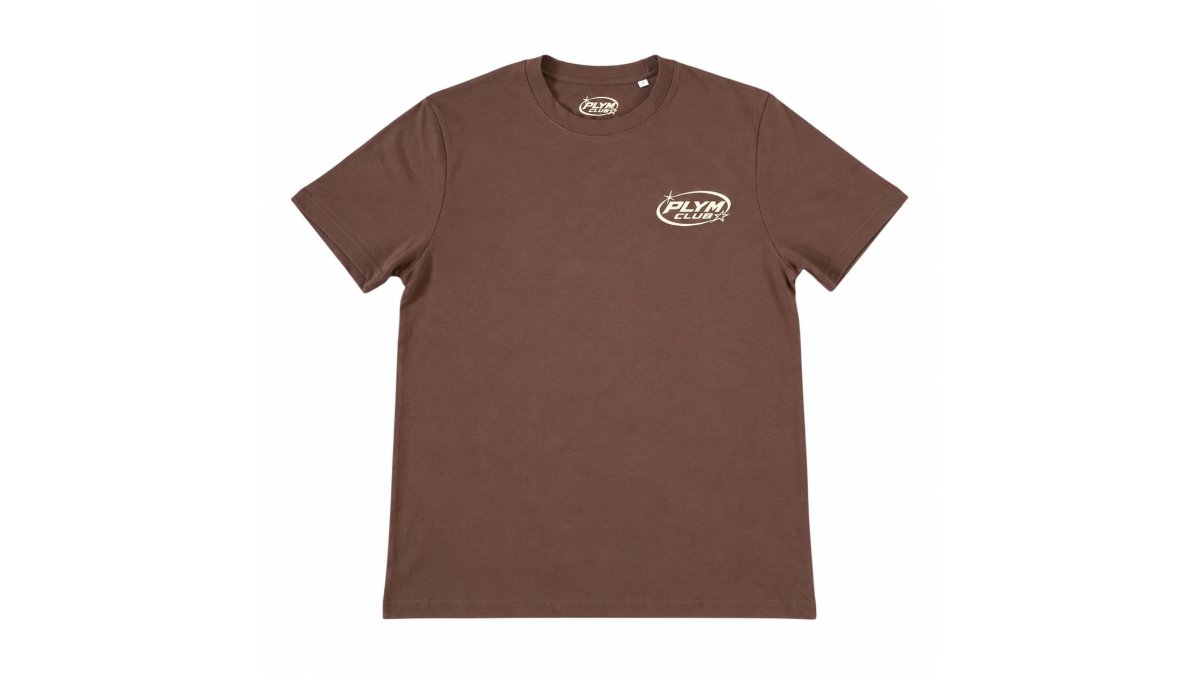
The foundation of any durable wardrobe is neutral basics. Black, white, mocha, and grey organic cotton t-shirts form the core. These pieces layer easily, mix with other garments, and never look dated. Investing in quality basics means you have reliable pieces for any occasion. Plym Club Clothing's Staple T-Shirt range in Plym Club Staple T-Shirt - Black (£20.00), Plym Club Staple T-Shirt - White (£20.00), and Plym Club Staple T-Shirt - Mocha (£20.00) exemplifies this approach. These pieces are designed to be worn hundreds of times.

| Wardrobe Staple | Why It Matters | Quality Indicator | Investment Level |
|---|---|---|---|
| Neutral t-shirts | Versatile base for mixing | Heavier-knit, 100% organic | £20-22 per piece |
| Hoodie | Layering and casual wear | Durable construction, organic cotton | £38-40 |
| Graphic pieces | Personal style with durability | Water-based inks, quality graphics | £22-40 |
| Neutral hoodies | Everyday reliability | Premium feel, long-lasting | £38-40 |
Frequently Asked Questions
How can you tell if clothing is genuinely sustainable and not just greenwashing?
Look for third-party certifications like OEKO-TEX Standard 100, which verifies textiles are free from harmful substances, or PETA approval for vegan production. Check whether brands publish details about their supply chain, manufacturing processes, and material sourcing. Genuine sustainable fashion choices include transparent labelling of fabric composition, dye methods (such as water-based inks), and production location. Avoid vague claims like 'eco-friendly' without supporting evidence; reputable brands provide certification numbers you can verify independently.
Why is organic cotton a better choice for sustainable fashion and durability?
Organic cotton is grown without synthetic pesticides or fertilisers, reducing environmental harm and soil degradation. Ring-spun organic cotton, where fibres are twisted together for strength, creates heavier, more resilient garments that resist pilling and maintain their shape through repeated washing.
How does a made-to-order model reduce waste in sustainable fashion?
Made-to-order production means items are manufactured only after a customer orders, eliminating overstock that typically ends up in landfill. Traditional retail produces large batches based on predicted demand, resulting in unsold inventory. Sustainable fashion choices using made-to-order models reduce water consumption, dye waste, and transport emissions because nothing is manufactured unnecessarily.
What sustainable fashion care tips will actually extend the life of my garments?
Wash in cold water with mild detergent to preserve fabric integrity and reduce energy use. Air-dry instead of tumble-drying to prevent shrinkage and fibre damage, high heat weakens organic cotton. Turn garments inside out before washing to protect printed graphics and surface finish. Wash less frequently; spot-clean minor stains rather than full washes. Store folded rather than hung to prevent stretching. For sustainable fashion choices, these simple practices can extend garment lifespan, making premium pieces genuinely cost-effective over several years of wear.