
Table of Contents
- What Makes Organic Cotton Hoodies Different
- Best Heavyweight Organic Cotton Hoodies for Men 2026
- Cons:
- Benefits of Organic Cotton vs Conventional Cotton
- How to Care for Organic Cotton Clothing
- Verifying Certifications and Avoiding Greenwashing
- Value for Money: Why Organic Cotton Costs More
- Frequently Asked Questions
Last Updated: September 23, 2026
What Makes Organic Cotton Hoodies Different
Organic cotton hoodies differ fundamentally in how the cotton is grown, processed, and performs over time. At Plym Club Clothing, we've built our entire collection around 100% organic cotton because it delivers durability and comfort that conventional alternatives simply can't match.

Conventional cotton farming relies heavily on synthetic pesticides and fertilisers that degrade soil and leave chemical residues. Organic cotton is grown without these inputs, using natural pest management and crop rotation. This affects how the fabric feels and how long it lasts.
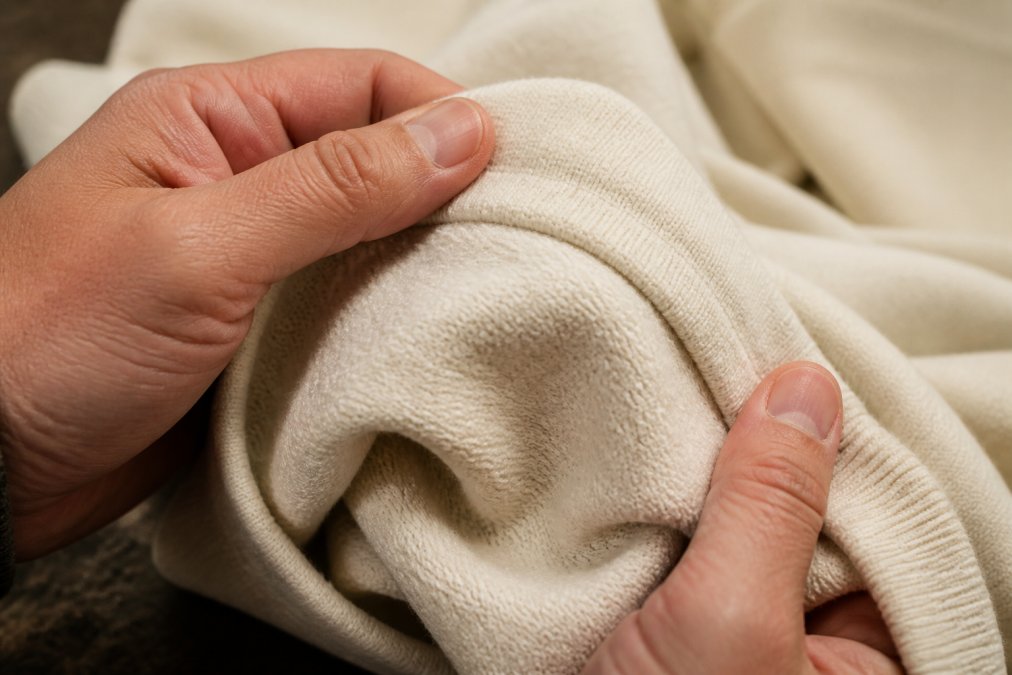
Organic cotton fibres are stronger and more resilient because they're grown in healthier soil. Conventional hoodies feel softer initially due to chemical finishes that wash away. Organic cotton gets better with age.
Another critical difference is transparency. With organic cotton, you can actually verify the supply chain. Certifications like OEKO-TEX Standard 100 provide independent verification that the fabric meets strict environmental and safety standards. This isn't just about feeling good, it's about knowing exactly what you're buying.
Best Heavyweight Organic Cotton Hoodies for Men 2026
Finding a genuinely durable organic cotton hoodie requires looking beyond price and brand recognition. The market is crowded with greenwashing. We've identified the standouts that actually deliver on their promises.
Plym Club Staple Hoodie
The Plym Club Staple Hoodie is an accessible entry point into organic cotton at £38.00. Crafted from 100% organic cotton in a heavier knit, it resists the thinning and pilling that plagues cheaper alternatives.
What makes this option stand out is its simplicity and durability. Available in black and green.
The made-to-order production model reduces waste and eliminates overstock. Water-based inks eliminate toxic chemical runoff associated with conventional printing.
Pros:
- Genuinely affordable entry point for organic cotton
- Heavier knit construction ensures longevity
- Made-to-order eliminates overproduction waste
- Eco-friendly biodegradable packaging
- OEKO-TEX and PETA certified
Cons:
- Made-to-order means you'll wait for delivery (not immediate gratification)
- Limited colour options compared to fast-fashion retailers
Plym Club Graphic Hoodies
The graphic hoodie collection brings personality to sustainable fashion at £40.00, maintaining the same heavyweight organic cotton construction with distinctive designs that reflect individual style.
The graphic collection includes Balloon Hoodie, 'Grow Good Things', 'Made For The Future', 'Time To Move Different', and Stained Glass Window. Each uses water-based inks on the same durable organic cotton base.

Many sustainable brands assume ethical production means accepting boring aesthetics. Plym Club Clothing proves that's a false choice.
The made-to-order model means you're not supporting overstock of designs you won't wear, directly addressing waste in conventional retail.
Pros:
- Distinctive designs that actually reflect personal style
- Same heavyweight organic cotton durability as basics
- Water-based inks eliminate chemical processing
- Made-to-order prevents overproduction
Cons:
- Higher price point than basic hoodies from fast-fashion chains
- Lead times due to made-to-order production
| Hoodie Model | Price | Best For | Key Feature |
|---|---|---|---|
| Staple Hoodie | £38.00 | Wardrobe basics | Minimalist design, maximum durability |
| Graphic Hoodies | £40.00 | Statement pieces | Distinctive designs, same durability |
Benefits of Organic Cotton vs Conventional Cotton
Understanding why organic cotton costs more requires examining measurable differences in how the fabric performs and what it means for your health and the environment.
Conventional cotton accounts for roughly 16% of global pesticide use despite occupying only 2.5% of agricultural land. These chemicals remain in soil, contaminate water, and leave residues in finished fabric.
Organic cotton eliminates chemical exposure. Farming practices build soil health, and processing avoids chemical finishes that wash away within weeks. Organic cotton maintains structure through years of wear.
Organic cotton feels more substantial and comfortable over extended wear because you're experiencing the actual fibre, not chemical coatings.
The durability advantage is significant. Organic cotton fibres are stronger because they're grown in healthier soil with better nutrient availability. This translates directly into garments that resist pilling, maintain their shape, and develop a lived-in character rather than looking worn out. An organic cotton hoodie from a quality maker like Plym Club Clothing can last years with proper care.
From an environmental perspective, organic farming practices sequester carbon in the soil, support biodiversity, and avoid the water pollution associated with conventional pesticide use. When you choose organic cotton, you're supporting agricultural systems that actually improve the land rather than depleting it.
Plym Club Staple Hoodie - Black →
How to Care for Organic Cotton Clothing
Durability isn't determined solely by the fabric, it depends equally on how you care for it. Organic cotton hoodies respond well to thoughtful maintenance practices that extend their lifespan considerably.
Wash in cold water whenever possible. Hot water breaks down cotton fibres more aggressively and can cause shrinkage. Cold water cleaning is equally effective for most stains and significantly extends the life of the garment. Use a gentle cycle rather than heavy agitation, which accelerates fibre breakdown and pilling.
Detergent choice matters more than most people realise. Conventional detergents contain surfactants and chemicals that can leave residues in the fabric and reduce its breathability over time. Natural or eco-friendly detergents clean effectively without these drawbacks. You'll notice the difference in how the fabric feels after several washes.
Dry your hoodies naturally whenever possible. Tumble drying generates heat that can damage organic cotton fibres and cause shrinkage. Air drying preserves the fabric integrity and prevents the wear associated with mechanical drying. If you must use a dryer, use a low-heat setting and remove the garment while still slightly damp.
Store organic cotton hoodies flat or folded rather than hanging, which can cause stretching over time. Ensure they're completely dry before storage to prevent mildew.
Avoid bleach entirely. Even oxygen-based bleach can weaken organic cotton fibres. For stubborn stains, pre-soak in cold water with a small amount of detergent rather than reaching for harsh chemicals. Most stains respond well to this gentler approach.
Address pilling promptly with a fabric comb or pill remover. Pilling is a natural occurrence with cotton but doesn't indicate poor quality. Removing pills regularly prevents them from accumulating and making the garment look neglected.
Verifying Certifications and Avoiding Greenwashing
The organic cotton market has become a minefield of misleading claims. Companies use vague language like "natural," "eco-friendly," or "sustainable" without any third-party verification. Understanding what legitimate certifications actually mean is essential to making informed choices.
OEKO-TEX Standard 100 certification verifies that a textile has been tested for harmful substances and meets strict environmental and safety standards. This certification applies to the finished product, meaning the hoodie you're buying has been independently verified as free from problematic chemicals. It's one of the most rigorous standards in the industry and represents genuine accountability.
PETA Approved Vegan certification confirms that the product contains no animal-derived materials and wasn't tested on animals. For clothing, this primarily ensures no wool, silk, or leather components and that production methods don't involve animal exploitation. Plym Club Clothing carries both certifications, providing independent verification of our claims.
Genuine organic cotton certification comes from bodies like the Global Organic Textile Standard (GOTS), which verifies that the cotton was grown organically and processed without prohibited substances. This is different from simply claiming "organic", GOTS certification means a third party has audited the entire supply chain.
Greenwashing often involves using natural imagery, earth tones, or vague sustainability language without backing up claims with actual certifications. If a brand claims to be organic but can't point to specific certifications, that's a red flag. Similarly, if they describe their environmental practices in detail but offer no independent verification, approach with scepticism.
Ask direct questions: Where was the cotton grown? Who certified it? What testing has been done on the finished product? Legitimate brands welcome these questions and provide specific answers. Plym Club Clothing's OEKO-TEX and PETA certifications are visible on our packaging and website because we stand behind them.
Value for Money: Why Organic Cotton Costs More
The price difference between organic cotton hoodies and conventional alternatives often surprises shoppers. Understanding where that cost comes from helps clarify whether the investment actually represents good value.
Organic cotton farming is more labour-intensive than conventional farming. Without synthetic pesticides and fertilisers, farmers rely on manual weeding, crop rotation, and careful monitoring. This requires more skilled labour and time investment.
Processing organic cotton involves different chemistry. Instead of using the harsh chemicals that speed up conventional processing, organic production uses gentler methods that take longer. These aren't minor differences, they compound throughout the production process.
Quality construction adds to the cost. Heavier knit weights use more material. Better construction techniques take more time.
Frequently Asked Questions
Does organic cotton make for a more durable hoodie?
Yes. Organic cotton hoodies tend to last longer because the fibres are stronger and less damaged by synthetic pesticides used in conventional cotton production. Heavier-knit organic cotton, like that used in Plym Club hoodies, resists pilling, stretching, and fading better than lighter alternatives. Proper care extends their lifespan significantly, making them a sound investment despite higher upfront costs.
Which certifications should I look for in sustainable clothing?
Look for OEKO-TEX Standard 100 certification, which guarantees the fabric is free from harmful substances. PETA approval confirms vegan production. These third-party certifications verify genuine sustainability rather than marketing claims. Plym Club Clothing holds both certifications, providing transparent proof of ethical production and material safety.
How should I wash my organic cotton hoodie to keep it durable?
Wash in cold water (30°C or below) using gentle detergent to preserve colour and fibre integrity. Turn the hoodie inside out before washing to minimise friction. Avoid fabric softener and bleach. Air dry flat or on a low heat setting rather than tumble drying. Washing less frequently and spot-cleaning stains extends durability significantly.
Are organic cotton hoodies worth the extra cost?
For environmentally conscious consumers, yes. Organic cotton requires no synthetic pesticides, reducing water pollution and soil damage. The heavier-knit construction of quality organic hoodies means they outlast cheaper alternatives by years, offsetting the higher price. Made-to-order production also reduces waste. If durability and sustainability matter to you, the investment pays off both environmentally and financially.