
Table of Contents
- Why Sustainable Fashion Matters for Minimalism
- How to Build a Capsule Wardrobe That Lasts
- Organic Cotton T-Shirts for Capsule Wardrobes
- Choosing Ethical Clothing Brands in the UK
- The Real Cost of Quality Over Quantity
- Avoiding Greenwashing: How to Spot Authentic Certifications
- Sustainable Fashion for Minimalist Wardrobes: Your Starting Point
- Frequently Asked Questions
Last Updated: September 18, 2026
Why Sustainable Fashion Matters for Minimalism
Sustainable fashion for minimalist wardrobes aligns two movements solving the same problem: most people own far more clothes than they wear, with unworn pieces ending up in landfill within years. A minimalist approach asks: what pieces do I actually need? Paired with sustainable production, you reduce consumption while ensuring what you buy lasts.
Sustainable fashion costs more upfront; minimalism asks you to buy less. Together they demand a shift from quantity to longevity, from trends to timelessness. This guide explores building a wardrobe reflecting both values without guilt or waste.
Minimalism forces intentionality; sustainable fashion holds producers accountable. Combined, you invest in pieces serving you for years, not seasons. A £20 organic cotton t-shirt worn 200 times costs less per wear than a £5 fast-fashion piece worn 10 times.
How to Build a Capsule Wardrobe That Lasts
A capsule wardrobe is a curated collection of versatile pieces creating maximum outfit combinations from minimum items. Every piece must earn its place through durability, versatility, and timeless design.
Start by identifying your colour palette. Neutral base colours, black, white, grey, beige, navy, mix effortlessly and allow personality through texture, fit, and occasional bold pieces without visual chaos.
Define your lifestyle: a corporate professional needs different pieces than someone working from home. Your capsule should reflect how you actually spend your time, not how you think you should dress.
Quality basics form the foundation. A heavier-knit organic cotton t-shirt in neutral colours anchors almost every outfit, comfortable enough to wear repeatedly, durable enough for years of wear, and simple enough to pair with anything. The Plym Club Staple T-Shirt in Black and White are made from 100% organic cotton with a heavier knit that resists pilling and maintains shape.


Layering pieces extend wardrobe lifespan across seasons. A quality hoodie or cardigan worn over basics creates different outfits without additional base layers. The Plym Club Staple Hoodie in Black works as both casual layer and standalone piece.
Bottoms should be equally timeless. Dark denim, tailored trousers, and neutral chinos in well-fitting cuts outlast trends by years. Avoid pieces with excessive distressing or unusual washes, they date quickly. Stick to classic cuts that have remained stable for decades.
Organic Cotton T-Shirts for Capsule Wardrobes
Organic cotton t-shirts form the backbone of sustainable minimalist wardrobes. Organic production avoids synthetic pesticides and fertilisers, reducing environmental impact. Organic cotton fibres are longer and stronger, so garments maintain shape and colour longer.
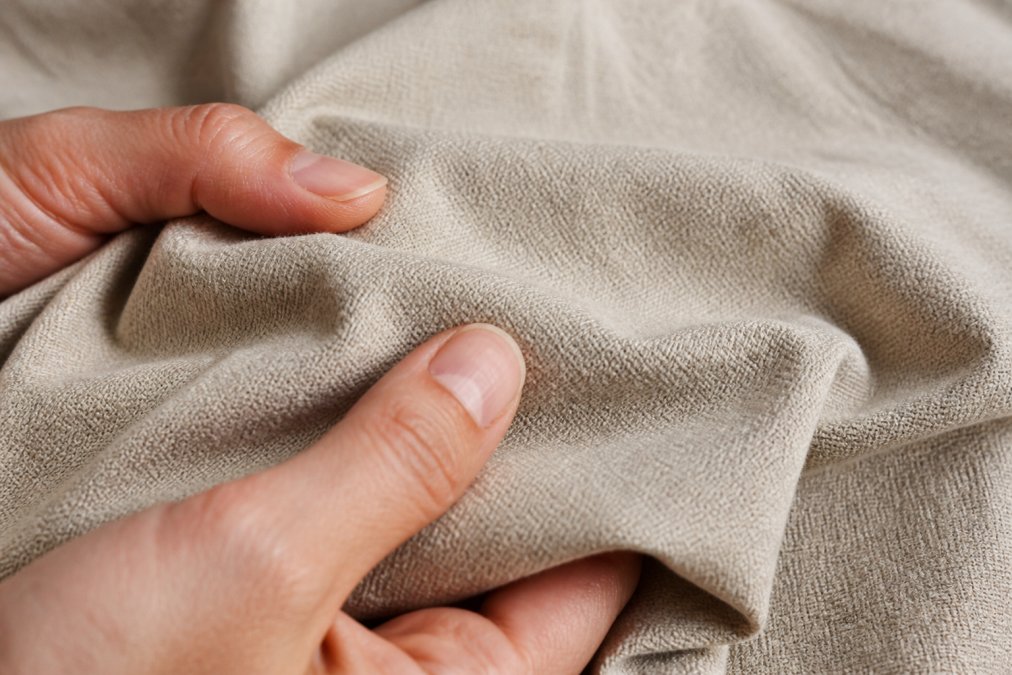
Fabric weight matters significantly. Lightweight t-shirts pill easily, lose shape, and develop holes within a year. Heavier-knit organic cotton resists these problems through increased density, maintaining structure and extending lifespan by years.
Water-based inks eliminate environmental concerns compared to petroleum-based alternatives, which require harsh chemicals and release toxins. Water-based inks perform equally well while reducing chemical exposure for workers and the environment.
Neutral-coloured organic cotton basics are non-negotiable for capsule wardrobes. Black, white, and natural grey pair with everything and hide wear patterns. The Plym Club Staple T-Shirt in Mocha adds a warm neutral option working across seasons.

A versatile organic cotton t-shirt worn 100+ times per year justifies investing in durability. Cost per wear drops dramatically when the piece lasts five years instead of one.
Choosing Ethical Clothing Brands in the UK
Ethical clothing requires transparency about how and where garments are made: production locations, labour practices, material sourcing, and environmental impact. Most brands claim ethics without backing it up.
Look for brands publishing detailed supply chain information: cotton sourcing, manufacturers, and certifications. Vague statements like "ethically sourced" without evidence are red flags. Genuine ethical brands name factories, discuss wages and working conditions, and welcome scrutiny.
Made-to-order production eliminates waste from unsold stock and reduces overproduction by creating garments only after purchase. Plym Club Clothing operates on this model, producing each order individually to minimise waste and ensure quality control.
Certifications provide third-party verification. OEKO-TEX Standard 100 confirms textiles are tested for harmful substances. PETA approval indicates vegan production. Fair Trade certifications verify fair wages and safe conditions.
Biodegradable packaging signals commitment to reducing end-of-life waste. Brands using compostable mailers or recyclable paper demonstrate thinking about the full product lifecycle, not just manufacturing.
Compare brands' transparency directly. Those publishing detailed sustainability reports, naming factories, and explaining material choices are more trustworthy than those using vague ethical language. The best brands make claims easy to verify.
Plym Club Staple T-Shirt - Black →
The Real Cost of Quality Over Quantity
A £5 t-shirt and a £25 t-shirt rarely differ in raw material cost; the difference lies in construction quality, fabric weight, dye processes, and production standards.
Quality garments cost more because they're made to last. Better fabrics resist pilling, fading, and stretching. Stronger seams and proper finishing details prevent small failures that ruin cheaper pieces, creating garments wearable for years rather than months.
Cost-per-wear reveals true economics: a £20 organic cotton t-shirt worn twice weekly for three years (300 wears) costs 7p per wear, while a £5 fast-fashion t-shirt worn weekly for three months (12 wears) costs 42p per wear, before accounting for environmental replacement costs.
Sustainable materials add cost but justify it through performance. Organic cotton requires more careful farming and yields less per acre. Water-based inks and ethical labour practices cost more than alternatives, but represent the actual cost of responsible production.
The minimalist approach amplifies this advantage. Someone with 50 mediocre items spends the same money as someone with 15 excellent items. The second person wears each piece more frequently, extends wardrobe lifespan, and experiences greater satisfaction.
Financial sustainability matters as much as environmental sustainability. The goal is finding the balance where quality pieces remain affordable enough to purchase intentionally and wear frequently enough to justify their cost.
Avoiding Greenwashing: How to Spot Authentic Certifications
Greenwashing pervades fashion: brands use words like "eco-friendly" or "sustainable" without verifiable backing. Learning to distinguish authentic certifications from marketing language is essential for genuinely ethical choices.
Real certifications come from independent third parties with no financial stake in the brand. OEKO-TEX Standard 100 is administered by independent testing institutes across multiple countries, testing fabric samples and issuing certificates only when standards are met. This requires ongoing compliance, making it genuine commitment rather than marketing.
PETA approval for vegan fashion means no animal-derived materials and no animal testing. It verifies the brand has met stated criteria, though it doesn't guarantee overall sustainability.
Fair Trade certifications verify labour practices and wage standards through independent audits and ongoing compliance.
Beware of certifications lacking independent verification. If a certification isn't administered by an external organisation with no financial interest in the brand, treat it as marketing language.
Check the certification's website directly. Legitimate certifications publish lists of certified brands. If you can't find the brand listed on the official site, the claim is likely false.
Ask brands for specific evidence. Genuine ethical brands welcome questions and provide documentation. Vague responses indicate greenwashing.
According to research on sustainable fashion certifications, consumers struggle to distinguish legitimate certifications from marketing claims.
Sustainable Fashion for Minimalist Wardrobes: Your Starting Point
Building a sustainable minimalist wardrobe is a process, not a purchase. Replace pieces intentionally as your current wardrobe wears out, more affordable and sustainable than discarding usable clothing.
| Concept | How It Works | Why It Matters |
|---|---|---|
| Capsule Wardrobe | 25-40 versatile pieces that mix together | Reduces decision fatigue and waste |
| Organic Cotton | Cotton grown without synthetic pesticides | Stronger fibres, longer lifespan, lower environmental impact |
| Made-to-Order | Garments produced only after purchase | Eliminates unsold inventory waste |
| Third-Party Certification | Independent verification of claims | Prevents greenwashing and false claims |
| Cost Per Wear | Total cost divided by number of wears | Expensive quality pieces often cost less per wear |
Frequently Asked Questions
How do I know if organic cotton is actually certified and not greenwashing?
Look for third-party certifications like OEKO-TEX Standard 100 or PETA Approved Vegan on product labels and brand websites. These certifications verify that organic cotton meets strict environmental and safety standards. Brands with genuine certifications display them prominently and provide audit documentation. Greenwashing brands often use vague terms like 'eco-friendly' without backing claims with verified credentials. Request certification details from the brand directly if you're unsure.
What makes heavier-knit organic cotton actually last longer than high street basics?
Heavier-knit organic cotton has a denser fibre structure that resists pilling, fading, and stretching after repeated wear and washing. High street basics use thinner, lower-quality cotton that deteriorates quickly. Premium organic cotton also retains its shape and colour because it's processed without harsh chemicals that weaken fibres, meaning your garments maintain their appearance for years rather than months.
How do I start building a sustainable minimalist wardrobe on a budget?
Begin with neutral colour basics in organic cotton, a black t-shirt, white t-shirt, and one neutral hoodie form the foundation. Invest in quality pieces you'll wear repeatedly rather than buying many cheap items. Choose versatile designs that mix and match easily. Made-to-order options reduce waste and let you purchase only what you'll genuinely wear. Prioritise durability over quantity; one £38 hoodie worn 200 times costs less per wear than five £15 hoodies worn 20 times each before wearing out.
Is a minimalist wardrobe actually more eco-friendly than a larger one?
Yes, when built with sustainable materials and worn intentionally. A minimalist wardrobe reduces overall consumption, waste, and the environmental impact of production, dyeing, and shipping. Choosing organic cotton and ethical brands further reduces harm from pesticides and labour exploitation. However, the environmental benefit depends on quality and longevity, buying cheap basics frequently negates these gains. A smaller wardrobe of durable, versatile pieces worn for years creates significantly less environmental impact than constantly replacing fast fashion items.